

Do I Need a Voltage Converter & Plug Adapter for Austria from the US?
DOACE Team1. Voltage and Frequency
Austria Standard: 230V voltage, 50Hz frequency.
US Standard: 120V voltage, 60Hz frequency.
Key Differences:
- Austrian voltage is nearly double the US (230V vs 120V) — plugging a 120V-only device into an Austrian outlet will instantly damage it
- Different frequency (50Hz vs 60Hz): Modern switched-mode power supplies handle both frequencies without issue
- Completely incompatible plugs: US uses Type A/B (flat blades), Austria uses Type F/Schuko (round pins with side grounding clips)
Risk Warning: Connecting 120V-only US appliances directly into Austrian 230V outlets will cause immediate device failure, potentially with sparks, smoke, or fire.
2. Local Outlet Types
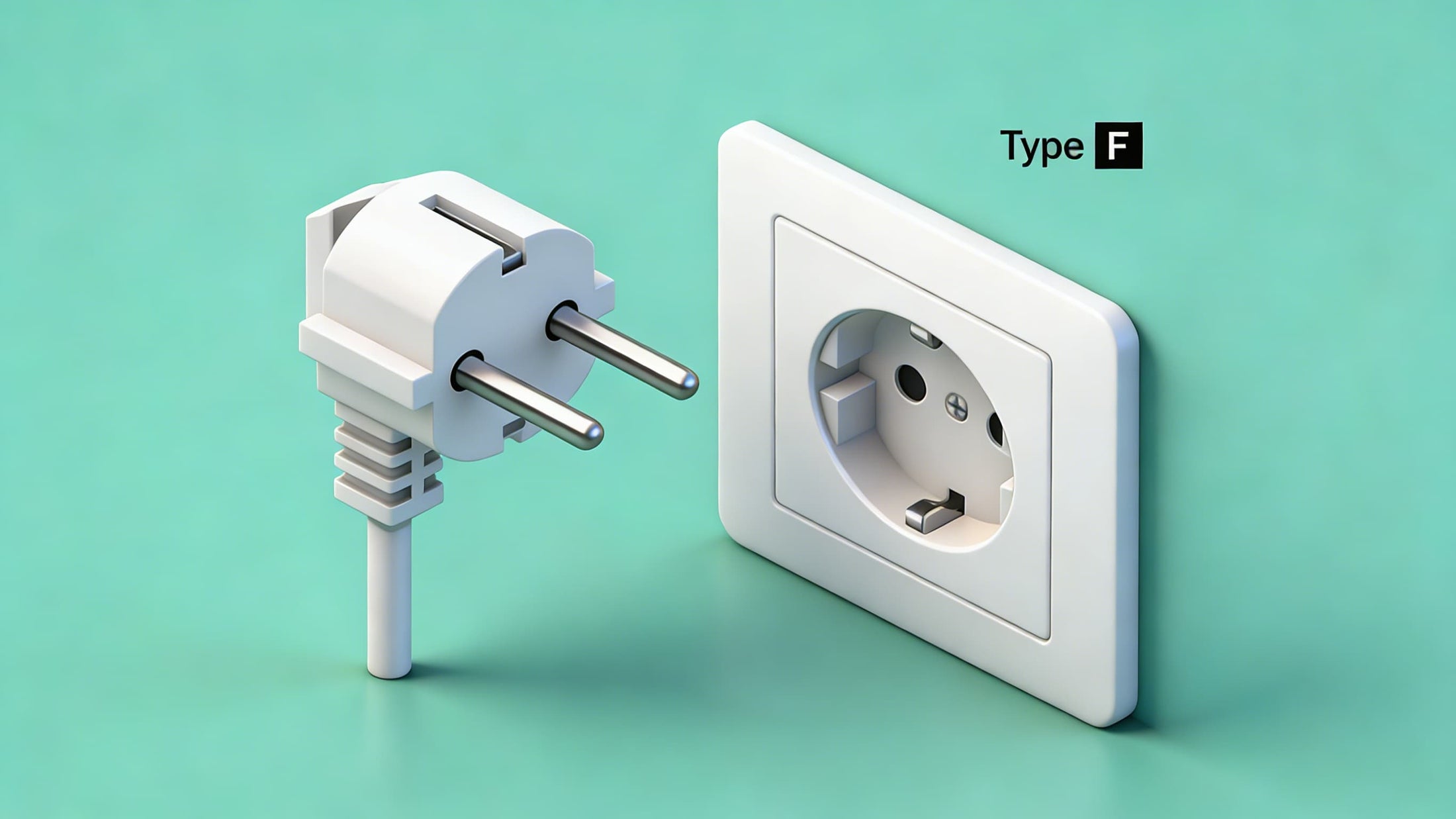
Austria uses Type F (Schuko) outlets as its national standard — identical to Germany's standard. These are also compatible with Type C (Europlug) plugs.
Type F (Schuko) outlets feature two round holes for the plug pins and two grounding clips on the sides of the recessed socket. Type F is the standard across Austria, Germany, Hungary, the Netherlands, Spain, and most of continental Europe.
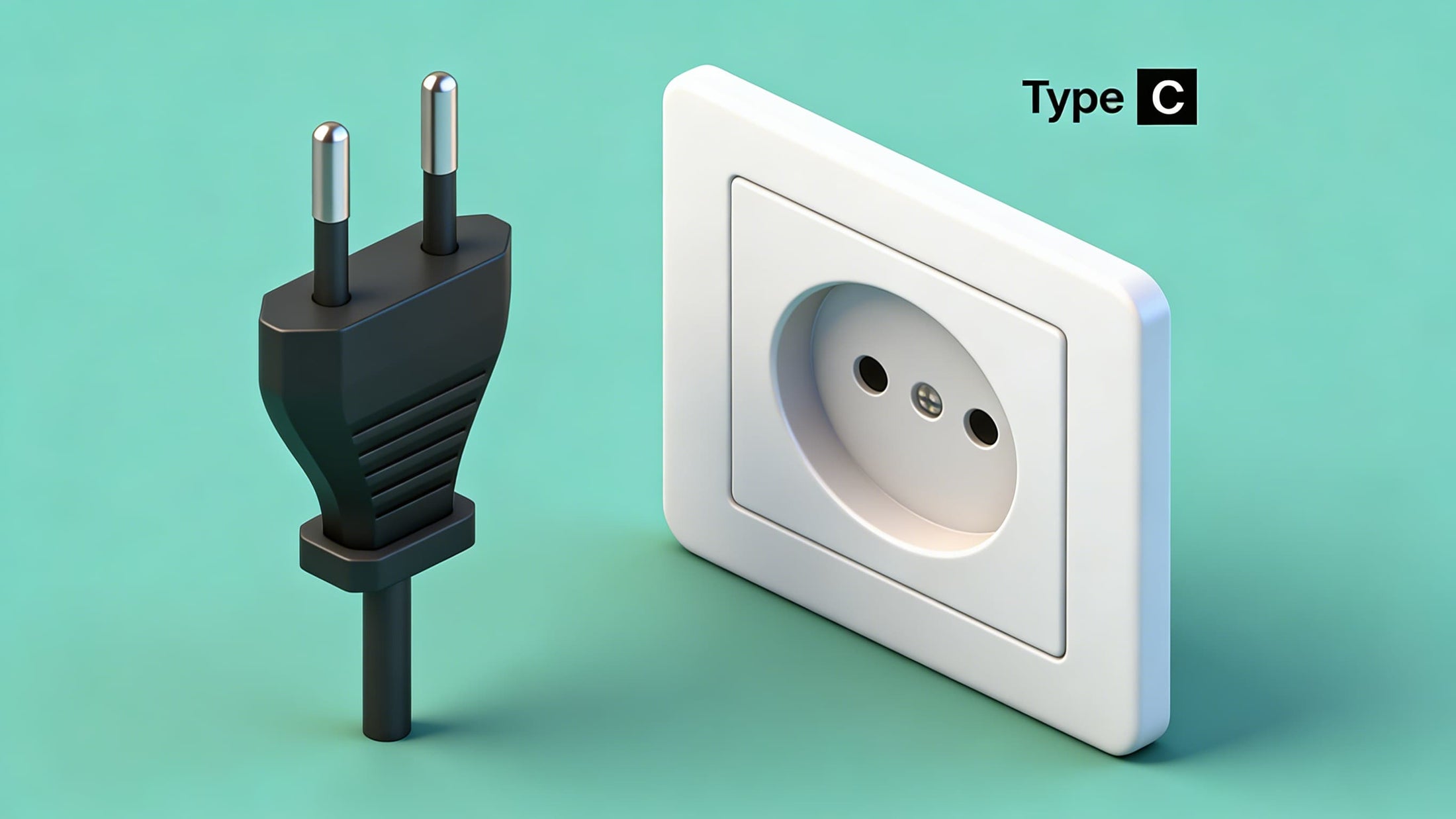
Type C plugs (Europlug) have two round 4mm pins spaced 19mm apart with no grounding connection. They fit into Type F sockets and are commonly found on low-power devices like phone chargers and small electronics.
Grounding Note: A flat two-pin adapter (Type C) fits Austrian Type F sockets but provides no grounding. For high-power devices (e.g., gaming laptops with metal chassis), use a Type F adapter with side grounding clips for better safety.
Outlet Conditions in Popular Destinations
Vienna: Hotels in Vienna's historic Innere Stadt often occupy Habsburg-era buildings. Outlets may be in unusual locations — behind furniture, near the floor, or limited to one per room. Modern hotels have standard Type F outlets with USB ports.
Salzburg: The Old Town features many historic buildings converted into hotels. Expect fewer outlets in older properties. During the Salzburg Festival (July-August), hotels are fully booked and loaner adapters unavailable — always bring your own.
Innsbruck & Hallstatt: Ski resorts and lakeside accommodations generally have modern infrastructure with standard Type F outlets throughout.
3. Device Classification + Travel Essentials
Dual Voltage Devices (Adapter Only)

Check your device label:
- If labeled "100-240V" or "110-240V": Plug adapter only — no voltage converter needed
- Common dual-voltage devices: smartphone chargers, laptop power adapters, tablet chargers, camera battery chargers, electric toothbrush bases, USB-C chargers, and most modern portable electronics
Single Voltage Devices (Converter Required)
- If labeled "110V" or "120V" only: A voltage converter is mandatory
- Common single-voltage devices: American hair dryers, curling irons, flat irons, certain older electric shavers, US coffee makers
- Curling iron warning: Digitally-controlled curling irons and flat irons with temperature displays are precision electronics — cheap electronic converters can destroy their circuit boards. Buy a dual-voltage or international version rather than relying on a converter.
4. Product Selection Guide
How to Choose the Right Voltage Converter
Step 1: Identify Your Device Type
- Dual Voltage (100-240V): Only need a plug adapter. Includes: phone chargers, laptops, cameras, tablets.
- Single Voltage (110-120V): Must use a voltage converter. Includes: US hair dryers, curling irons, straighteners.
Step 2: Choose Based on Power Requirements
| Device Type | Typical Power Range | Recommended Converter Rating |
|---|---|---|
| Phones / Laptops / Cameras | 10–100W | 200W+ (adapter only if dual voltage) |
| Curling Irons / Straighteners | 50–200W | 300W+ |
| Hair Dryers | 1000–2000W | 2000W+ |
| CPAP Machines | 40–90W | Pure sine wave model required |
Step 3: Consider Key Features
-
Waveform Type:
- Pure Sine Wave: Essential for CPAP machines, cameras, precision electronics
- Modified Sine Wave: Acceptable for simple heating tools

- Frequency Conversion: 50Hz to 60Hz conversion matters for precision devices with AC motors
- Surge Protection: Protects your devices from voltage spikes
- USB Charging Ports: Built-in USB-A and USB-C ports for convenience
Reliable Brand References
Popular travel converter brands include Anker, Tessan, Epicka, Bestek, and DOACE. Compare on Amazon by wattage, waveform type, USB port count, and user reviews.
5. Practical Travel Tips for Austria
Phones / Laptops / Power Banks: A plug adapter is all you need — virtually all modern chargers are dual voltage (100-240V).
Hair Dryers / Curling Irons: Three options: (1) Buy a dual-voltage travel version, (2) Bring a voltage converter, or (3) Purchase a local hair dryer at MediaMarkt for €15-30. For premium curling irons (Dyson, etc.), buy a local version rather than risking converter damage.
Vienna's Historic Buildings: Many hotels in the Innere Stadt are in Habsburg-era buildings with oddly-placed, limited outlets. A short extension cord is essential.
Viennese Café Culture: UNESCO-recognized coffeehouse culture. Famous cafés (Central, Demel, Sacher) offer charging outlets — all Type F. Carry your adapter when heading out.
ÖBB Trains: Austrian Federal Railways' Railjet trains have power outlets and USB ports at most seats — perfect for charging during long journeys between Vienna, Salzburg, and Innsbruck. Newer intercity trains and renovated stations also feature universal USB ports, though power output is limited (5–10W) — fine for phones, but laptops still need Type F outlets.
Vienna Airport (VIE): Well-equipped charging stations throughout terminals, including USB ports at gate seating areas.
Salzburg Festival Season: During July-August, hotels are packed and loaner adapters often unavailable. Always bring your own.
Surge Protection: Some mountain lodges and rural guesthouses in Austria have older electrical wiring. A surge-protected adapter is recommended to safeguard sensitive electronics like laptops and cameras.
Currency Note: Austria uses the Euro (EUR). Adapters at airport shops cost €5-15 — more than Amazon prices. Buy before your trip for better value.
Switzerland Side Trip: If your Austria itinerary includes a day trip to Switzerland, note that Swiss outlets are Type J — not fully compatible with Type F. Bring a separate Type J adapter or ensure you have a Type C (Europlug) device, which works in both countries.
6. Frequently Asked Questions (FAQ)
Q1: Can I use my iPhone / MacBook charger in Austria?
A: Yes. All Apple original chargers support 100-240V input. You only need a plug adapter — no voltage converter required.
Q2: Do I need a voltage converter for Austria?
A: It depends on your devices. "100-240V" label means adapter only; "120V" or "110V" means converter required. Most modern portable electronics are dual voltage.
Q3: Are Austrian outlets the same as Germany?
A: Yes, identical. Both use 230V/50Hz with Type F (Schuko) outlets. One adapter set works for both countries and most of continental Europe.
Q4: Will I need a different adapter for Switzerland?
A: Yes, potentially. Switzerland uses Type J outlets. Type C (Europlug) works in Switzerland, but the larger Type F (Schuko) plug may not fit Swiss Type J sockets. Bring an additional adapter if visiting both countries.
Q5: Will the 50Hz frequency damage my US electronics?
A: For modern electronics — no. Switching power supplies work with both 50Hz and 60Hz. Only AC motor devices (vintage clocks, turntables) may run slightly slower.
Q6: Can I buy a plug adapter at Vienna Airport?
A: Yes, but prices are typically higher than Amazon with limited selection. Buying before your trip is always smarter.
7. Quick Reference Summary
| Item | Details |
|---|---|
| Austria Voltage | 230V |
| Austria Frequency | 50Hz |
| Austria Outlet Type | Type F / Schuko (compatible with Type C plugs) |
| US Voltage | 120V |
| US Plug Type | Type A / Type B |
| Plug Adapter Needed? | ✅ Yes — always required |
| Voltage Converter Needed? | ⚠️ Only for 120V-only devices |
| Currency | Euro (EUR) |